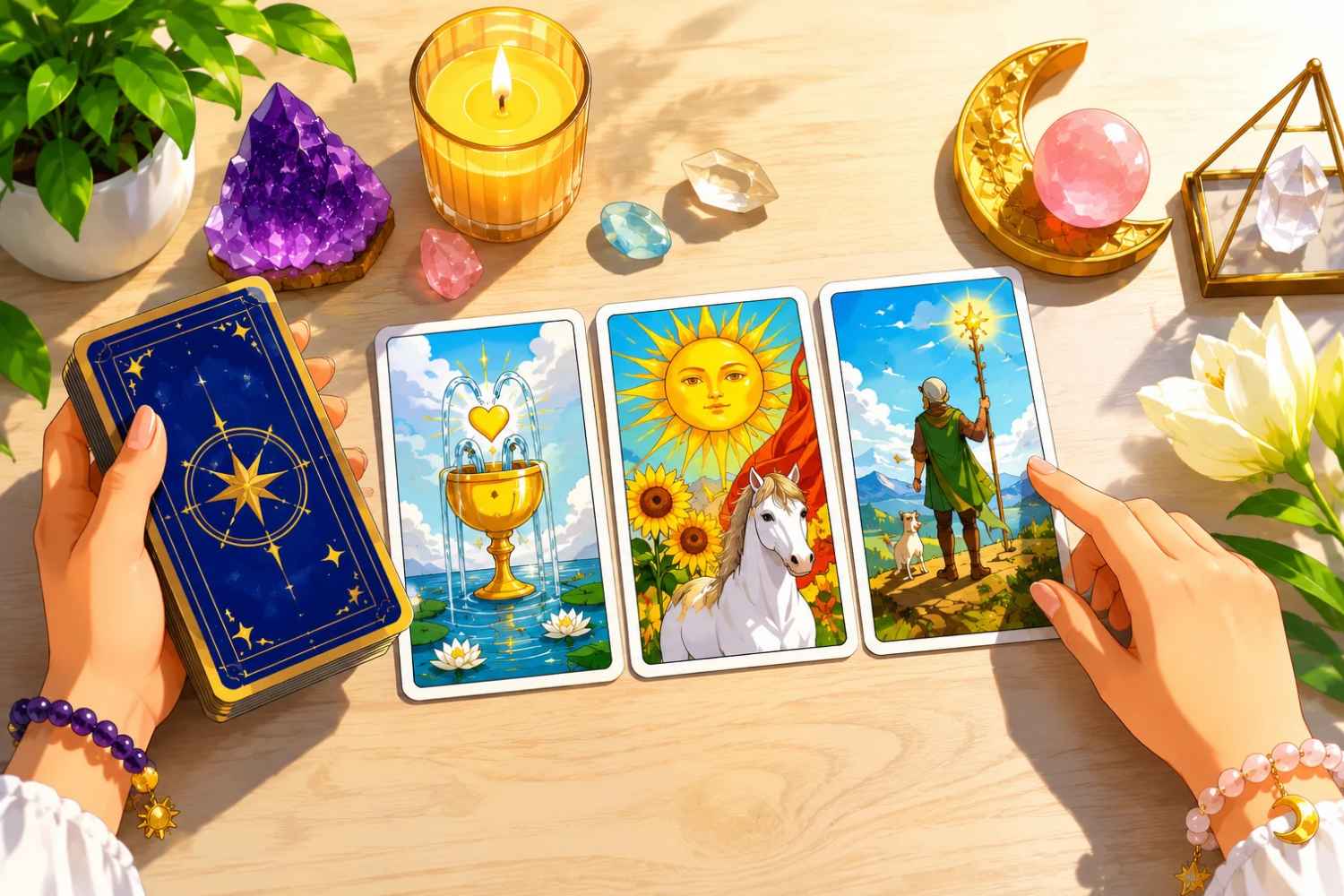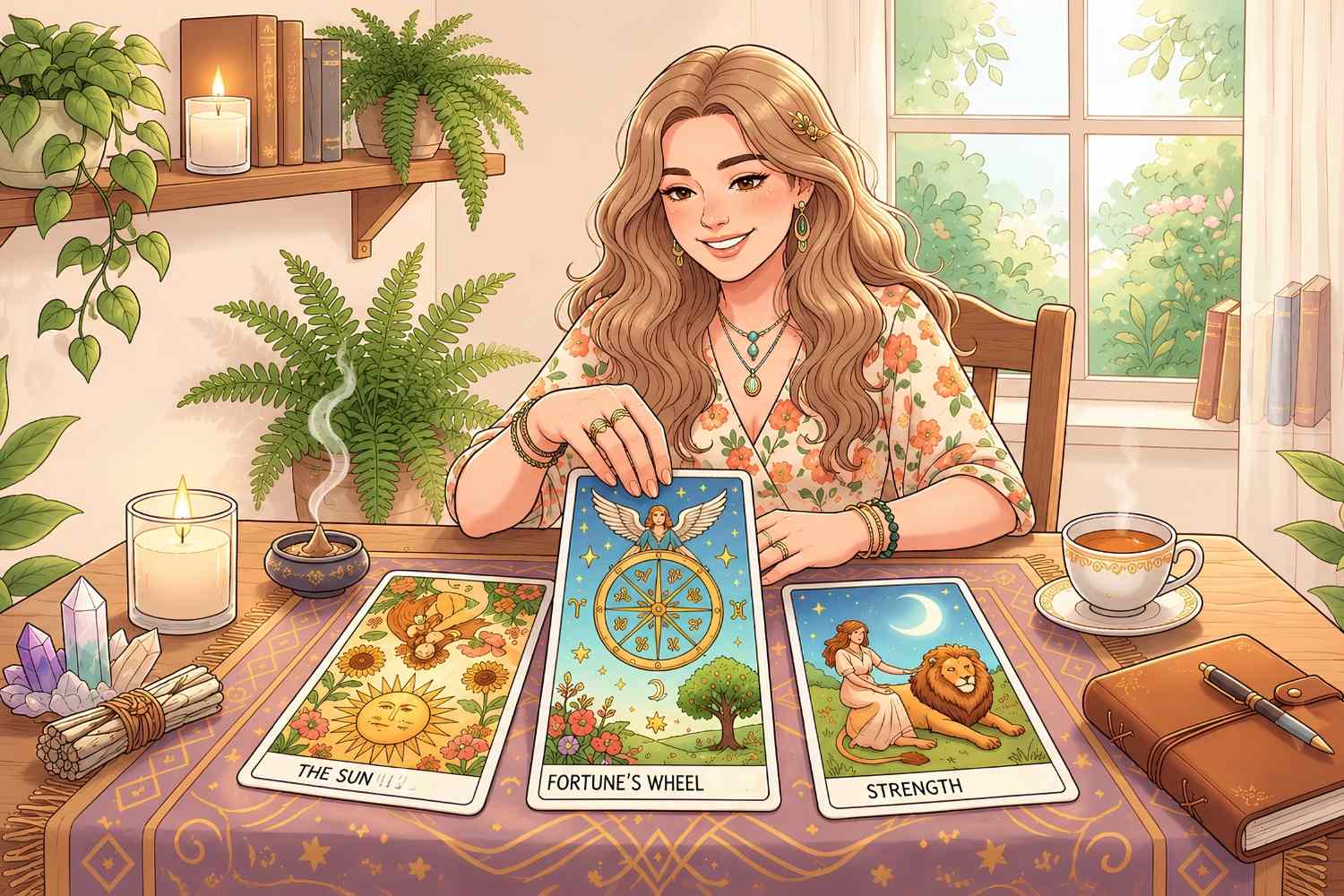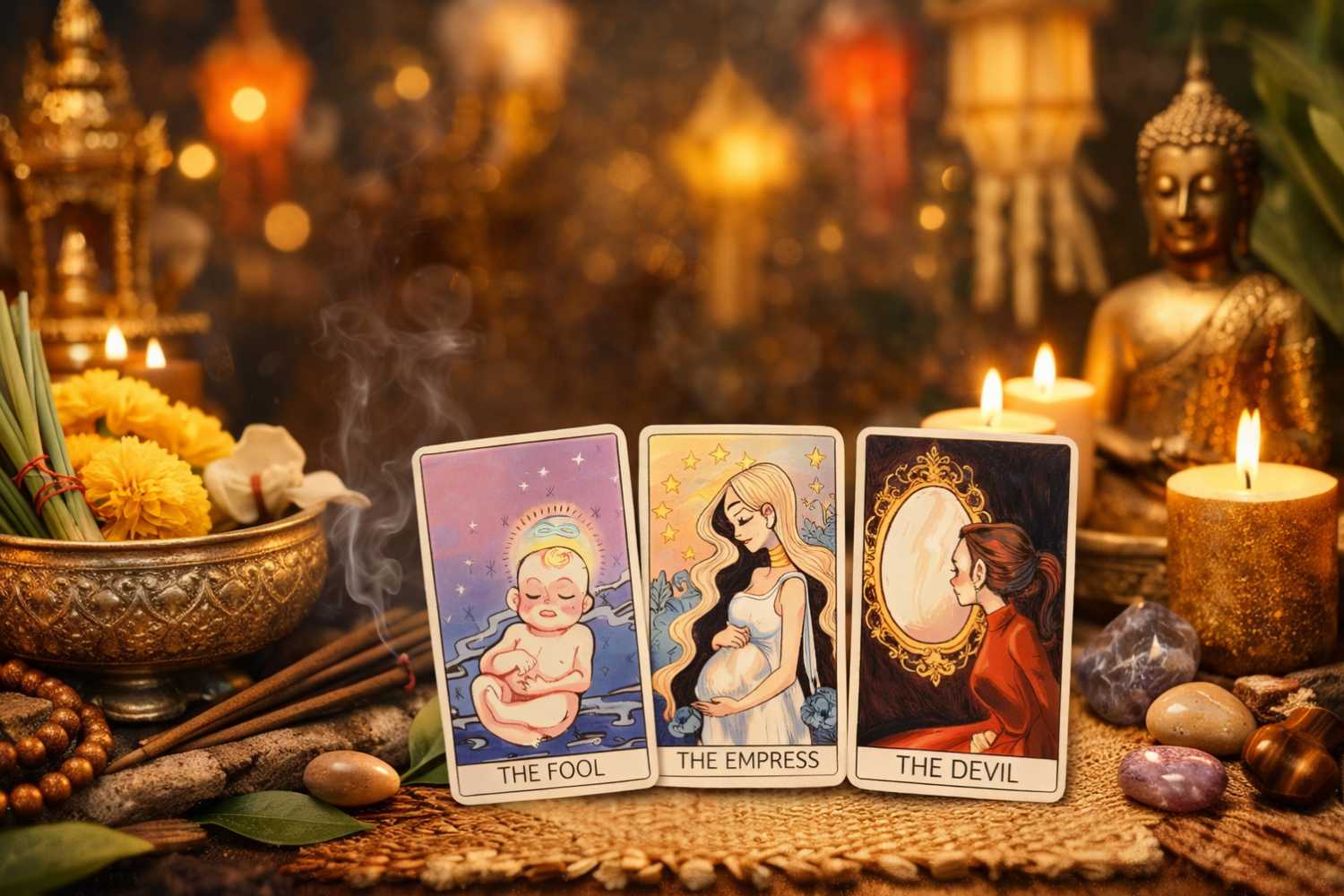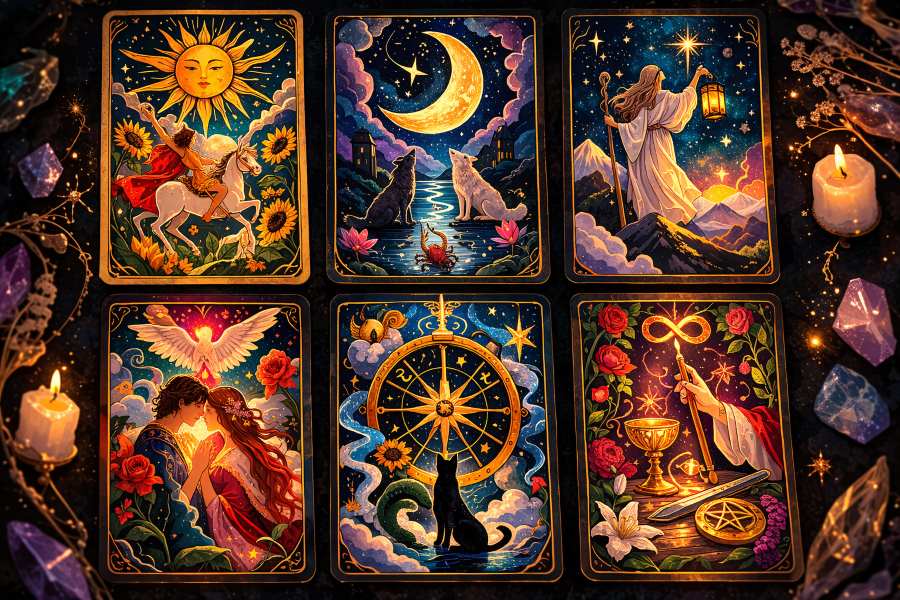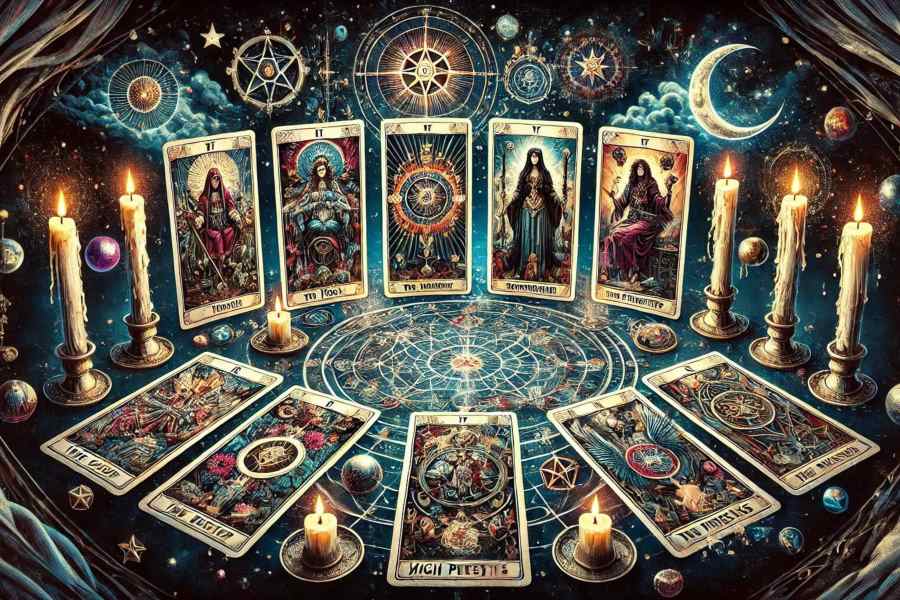
Tarot is a deck of 78 cards, used for many different purposes such as divination, astrology, and self-discovery. In the modern world, Tarot is often seen as a tool to seek spiritual guidance, help solve personal problems, or learn more about human psychology.
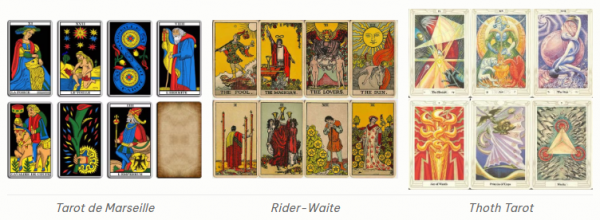
Tarot has 22 Major Arcana cards and 56 Minor Arcana cards with hidden symbols and meanings that contribute to opening the door to discovering the hidden potential within each person. And in the development journey of Tarot, it has expanded into different schools such as: Rider-Waite, Marseille, Thoth. Each school has its own approach and interpretation of symbols, suitable for different purposes, levels, and interests.
The history of Tarot has a long history and has developed through many different stages, from a card game to a modern astrological and spiritual tool. Tarot was not originally a deck of cards used for mystical purposes as it is today, but a card game. Here is a brief overview of the history of Tarot:
Exploring the Early Origins of Tarot (15th Century)
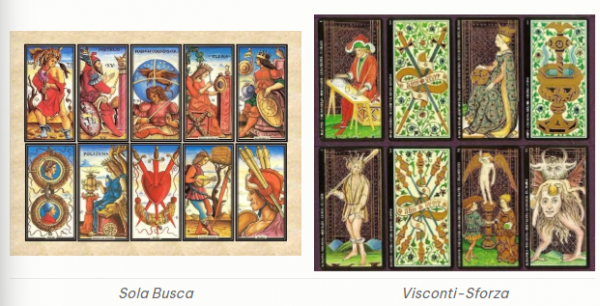
The exact origins of Tarot remain a mystery. But the most popular theory is that Tarot first appeared in Europe around the 15th century in Italy, as evidenced by the appearance of famous decks such as the Visconti-Sforza (around 1450) and the Sola Busca (1491).
By 1516, Tarot was widely known as “Tarocchi”. The original Tarot deck consisted of four suits similar to modern decks (wands, cups, swords, and coins), along with a special deck called “Triumphs” (now called the “Grand Arcana”). The game of “Tarocchi” was played by the Italian nobility during the Renaissance.
Development into an Occult Tool (18th Century)
In the 18th century, Tarot began to be associated with occultism. Antoine Court de Gébelin, a French priest, was the first to suggest that Tarot originated in ancient Egypt and could be used to tap into occult knowledge. He wrote about Tarot in his book “Le Monde Primitif” (The Primitive World) published in 1781 that the word “Tarot” comes from two Egyptian words “Tar” (meaning “path”) and “Ro” (meaning “king”), implying that Tarot was the “Way of Kings” – a means of attaining wisdom and enlightenment and believed that Tarot cards contained symbols related to ancient wisdom.
Jean-Baptiste Alliette (also known as Etteilla), a French astrologer and occultist, following Gébelin’s lead, created the first Tarot deck specifically designed for astrological and divinatory purposes, rather than as a game. He was the first to publish a book on the use of the Tarot in astrology, titled “Manière de se récréer avec le jeu de cartes nommées tarots” (How to Have Fun with Tarot Card Games), marking a major shift in the way the Tarot was used.
Modern Tarot (19th-20th Century)
The Tarot continued to develop as a spiritual tool in the 19th century. The Hermetic Order of the Golden Dawn was an occult organization that greatly influenced the modern interpretation of the Tarot. Members of the society, notably Arthur Edward Waite and Pamela Colman Smith, created the Rider-Waite-Smith deck in 1909, the most famous Tarot deck today. This deck emphasizes symbolic imagery and has had a strong impact on later Tarot decks.
In the late 19th and early 20th centuries, highly symbolic decks such as the Tarot de Marseille and Rider-Waite appeared, marking a strong shift in the way Tarot was presented and interpreted.
In addition, in the early 20th century, occultist Aleister Crowley developed the Thoth Tarot, another version of Tarot based on his philosophical and mystical system. Although still one of the classic titles, the Thoth Tarot contains the mystical symbolism of Kabbalah and Astrology from the book “The Book of Thoth”, requiring a certain knowledge base to be able to grasp the meaning of the cards best.
20th Century to Present: Tarot in the New Age
In the 1960s and 1970s, Tarot rose to prominence with the rise of the New Age movement. Participants in this movement explored aspects of spirituality, astrology, and meditation, and Tarot became an important part of this system of thought.
From the 20th century to the present, Tarot has undergone a dramatic transformation, becoming a part of popular culture and developing in many ways in the modern era. Tarot is no longer just a mystical divination tool, but has expanded into a means of self-discovery, developing intuition, and connecting with the spiritual.
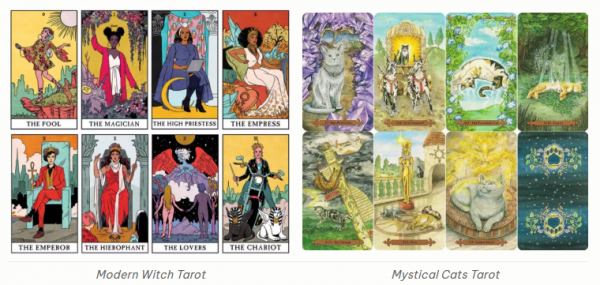
In the 21st century, Tarot has become increasingly popular in popular culture, appearing in movies, music, and art. Many modern Tarot decks are designed with diverse artistic styles, inspired by contemporary cultures, symbols, and art. Almost every aspect of life is transformed into a theme throughout the deck, for example: Darkness, Gothic, Elves, Animals, Plants, Flowers, Children, Sex, Architecture, Fashion, Religion, etc. Tarot gradually became not only a mystical tool but also a creative medium.
The Evolution of Tarot Through the Ages
Tarot has undergone an interesting evolution through the ages, from the Renaissance to modern times. Each period marked an important shift in the way Tarot was used and its meaning.
Period the purpose of Tarot cards through the ages
- Renaissance (15th-16th centuries): A game of entertainment for the aristocracy
- 18th century: A tool for divination and prophecy, under the influence of Gébelin and Etteilla
- 19th century: Present A tool for spiritual guidance, personal development, and occult research
Tarot is a sophisticated and versatile tool, evolving from a historical card game into a mystical and spiritual medium. Today, Tarot is not only limited to divination, but has also become a tool for self-discovery, developing intuition, and seeking spiritual guidance.
Tarot has moved away from rigid dogmas to become a flexible spiritual connection, suitable for individual needs in many different contexts. And brings deep understanding of oneself and life, helping people access hidden aspects of the mind, at the same time becoming a part of popular culture and modern digital life.
With its adaptability and increasing popularity, Tarot will continue to be a useful and inspiring tool, serving many different purposes in the future.